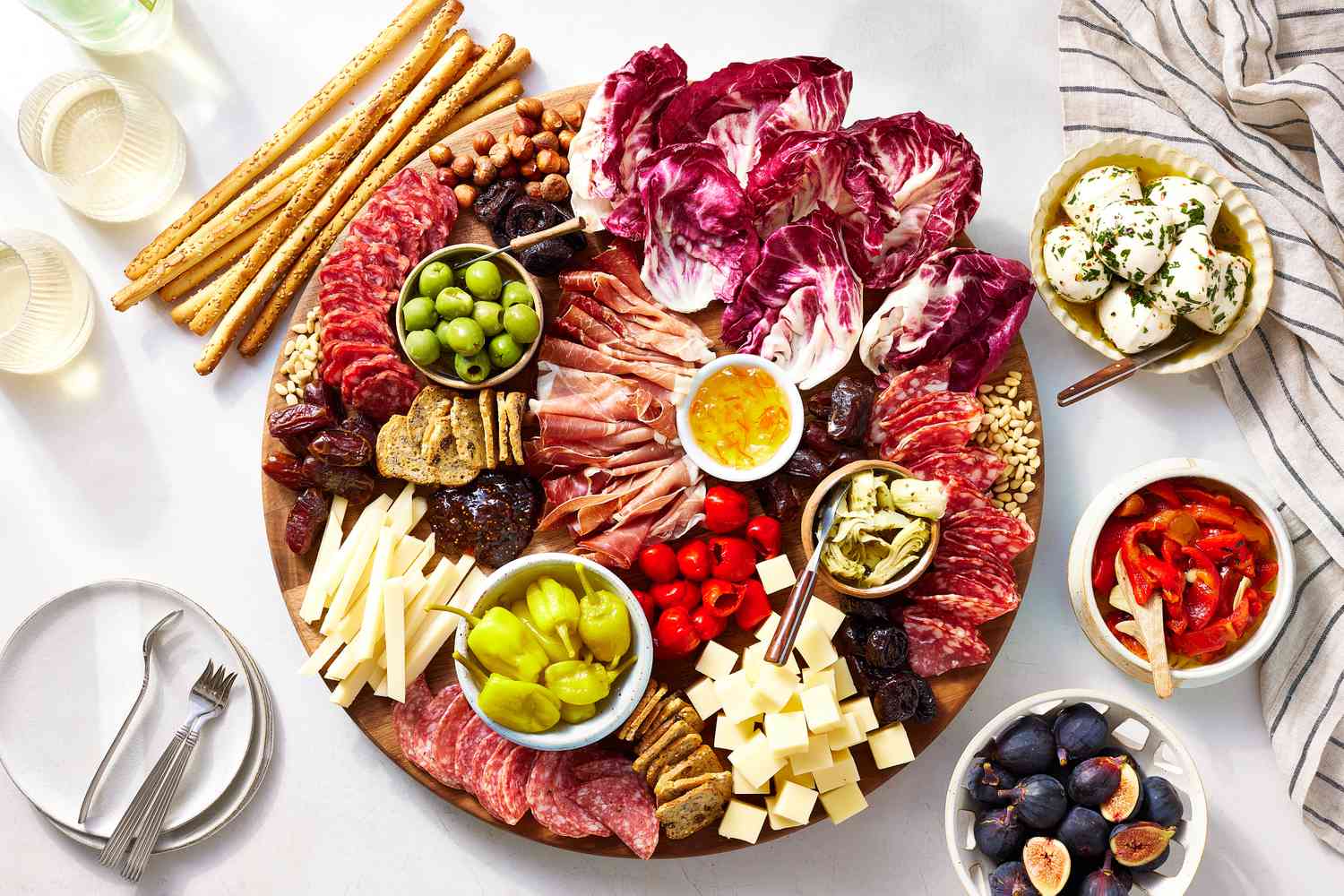
Craft the Ultimate Antipasto Platter: Homemade Touches & Expert Tips
Few culinary delights capture the essence of hospitality and indulgence quite like a well-curated antipasto platter. More than just an appetizer, it's a feast for the eyes and the palate, inviting guests to linger and savor an array of exquisite flavors and textures. While store-bought components are always an option, the true magic of an unforgettable antipasto platter lies in the inclusion of thoughtful, homemade touches. This comprehensive guide will walk you through crafting your own masterpiece, ensuring every bite is a testament to your hosting prowess. Whether you're a novice or a seasoned entertainer, our expert tips and unique homemade recipes will elevate your next gathering to an art form.
The Foundation: Selecting Your Core Components
Every great antipasto platter begins with a robust selection of meats and cheeses, complemented by essential carbs. Aim for a balance of flavors, textures, and origins to create a dynamic spread.
Artisan Meats (Salumi)
Choose a variety of thinly sliced, high-quality cured meats. Aim for 1.5 to 2 pounds for a generous platter.
- Salami: From mild Genoa to spicy Calabrese, salami offers diverse flavor profiles.
- Prosciutto: The delicate, salty sweetness of thinly sliced prosciutto is a must-have.
- Mortadella: A classic Italian emulsified sausage, known for its distinctive pistachios or peppercorns.
- Spanish Chorizo: Offers a smoky, paprika-infused kick, perfect for variety.
- Capicola (Coppa): A rich, marbled cured pork shoulder with a bold flavor.
- Pepperoni: A familiar, mildly spicy choice that's always a crowd-pleaser.
- Roast Beef or Cooked Ham: While not traditional Italian salumi, these can be thinly sliced and layered for a more expansive offering, particularly in Americanized versions of the platter.
Exquisite Cheeses
Offer a selection of 3-5 cheeses, varying in hardness, milk type, and flavor intensity. Around 8 ounces of each type is a good starting point.
- Aged Gouda or Manchego: Hard, nutty cheeses that are firm and slice beautifully.
- Blue Cheese or Gorgonzola: A pungent, crumbly option for those who appreciate bolder flavors.
- Fresh Mozzarella or Taleggio: Softer, creamier cheeses that offer a delightful textural contrast. Burrata is another excellent choice for a fresh, rich element.
- Provolone: A versatile, semi-hard Italian cheese that can range from mild to sharp.
Breads & Crackers
These are the essential vehicles for your delicious toppings.
- Artisan Breads: Sliced French baguette, rustic Italian bread, or a tangy sourdough.
- Assorted Crackers: Include a variety of plain, herbed, or seeded crackers to complement different cheeses and spreads.
Elevating Your Platter with Homemade Delights
While the core components are crucial, what truly sets an antipasto platter apart are the homemade accompaniments. These thoughtful touches add depth, unique flavors, and a personal touch that guests will remember. For more ideas on unique DIY sides, check out our
Antipasto Platter Guide: Best Meats, Cheeses & Unique DIY Sides.
Honey-Ricotta Pears with Toasted Pine Nuts
This simple yet elegant creation offers a refreshing sweet and savory balance, perfect for cleansing the palate between richer bites.
- Ingredients: 1 ripe Anjou or Bosc pear, 1/2 a lemon, 1/2 cup whole milk ricotta cheese, a pinch of Kosher salt and freshly ground pepper, honey for drizzling, 1 tablespoon toasted pine nuts.
- Preparation: Halve and core the pear, then slice it thinly, keeping the stem end intact to allow for fanning. Squeeze lemon juice over the cut pear to prevent browning. Season the ricotta with salt and pepper. Place two mounds of ricotta on your platter, top with the fanned pear halves, drizzle generously with honey, and sprinkle with toasted pine nuts for a delicate crunch. This pairs beautifully with a mild, creamy cheese or a slice of crusty bread.
Wine-Poached Figs with Thyme
Transform dried figs into a luxurious, sticky-sweet condiment that perfectly complements assertive cheeses.
- Ingredients: 8 ounces dried Mission figs, 1/2 cup red wine (a dry red like Merlot or Cabernet works well), 1/4 cup sugar, pinch of Kosher salt and freshly ground pepper, 2 sprigs fresh thyme.
- Preparation: Trim and halve the figs. In a small saucepan, combine figs, red wine, sugar, salt, and pepper. Bring to a boil, then reduce to a simmer and cook for about 10 minutes, or until the wine has reduced by half and is slightly thickened into a syrupy glaze. Remove from heat and stir in the fresh thyme sprigs. Serve warm or at room temperature alongside a robust blue cheese, creamy Taleggio, or spread over a baguette slice.
Warm Mediterranean Olives with Citrus and Spice
A simple bowl of marinated olives becomes an aromatic delight with this easy recipe. The warmth releases their fragrant oils and spices.
- Ingredients: 1/3 cup olive oil, 1 large shallot (sliced), 3 cloves garlic (sliced), 3 tablespoons light brown sugar, 2 tablespoons red wine vinegar, 1 cinnamon stick, 1 strip orange peel (use a vegetable peeler), 2 cups mixed brined olives (drained), Kosher salt and freshly ground pepper.
- Preparation: In a heavy saucepan over medium heat, warm the olive oil. Add the sliced shallots and garlic and cook until softened and fragrant, about 5 minutes. Stir in the brown sugar, red wine vinegar, cinnamon stick, and orange peel. Add the drained mixed olives and cook for another 5-7 minutes, stirring occasionally, until the olives are heated through and infused with the flavors. Season with salt and pepper to taste. Serve warm in a small decorative bowl, providing a discard bowl for pits.
Beyond the Basics: Essential Accents and Garnishes
These additional elements add visual appeal, textural variety, and important flavor contrasts to your antipasto platter.
- Quince Paste (Membrillo): This firm, sweet jelly is a traditional accompaniment to cheese, especially Manchego. Slice it into thin wedges or cubes.
- Assorted Dried Fruits: Apricots, cranberries, dates, or figs (if not making the poached version) add chewy sweetness.
- Assorted Toasted Nuts: Almonds, pistachios, or walnuts provide a satisfying crunch and earthy notes.
- Fresh Fruits: Grapes (red and green), sliced green apples, figs, or berries offer freshness and a natural palate cleanser.
- Marinated Vegetables: Jarred or homemade marinated artichoke hearts, roasted red peppers, or balsamic-glazed mushrooms are excellent additions.
- Pickled Elements: Small gherkins, pepperoncini, or pickled onions cut through the richness of the meats and cheeses.
Mastering the Art of Antipasto Platter Assembly
Presentation is key to making your antipasto platter irresistible. Think about balance, color, and ease of access for your guests.
- The Base: Start with a large cutting board, slate, or a flat platter. Consider the "layered" approach for a neater presentation, as seen in some antipasti recipes, where ingredients are stacked.
- Room Temperature is Key: Remove meats and cheeses from the refrigerator at least 30 minutes before serving. This allows their flavors and textures to fully develop.
- Anchor Elements: Place your larger items first – cheeses (whole blocks or pre-sliced), bowls of olives, and any larger homemade components.
- Arrange Meats: Fan out or artfully fold sliced meats, creating inviting heaps. Mix textures and colors.
- Fill in Gaps: Tuck in dried and fresh fruits, nuts, quince paste, and marinated vegetables around the larger items. Aim for a lush, abundant look.
- Bread & Crackers: Place sliced bread and crackers in a separate basket or arrange them strategically on the board, ensuring they're easily accessible.
- Tools for Enjoyment: Provide small cheese knives for each cheese, small forks or toothpicks for meats and olives, and a discrete small bowl for olive pits or used toothpicks.
- Garnish & Finish: A few sprigs of fresh rosemary or basil can add a pop of color and an inviting aroma.
Expert Tips for a Stunning & Memorable Experience
Creating the ultimate antipasto platter goes beyond just ingredients; it's about thoughtful execution and a personal touch. For more detailed insights on presentation and hosting, refer to
Host Like a Pro: Assemble a Stunning Antipasto Platter with Ease.
- Balance Flavors and Textures: Ensure a mix of salty, sweet, savory, tangy, crunchy, soft, and creamy elements. This keeps the palate engaged.
- Consider Seasonality: Incorporate seasonal fresh fruits or vegetables for freshness and vibrancy.
- Dietary Considerations: If hosting, be mindful of guests' dietary needs. Offer gluten-free crackers, clearly label vegetarian options, and consider a separate small bowl for nut-free items if allergies are a concern.
- Pre-Preparation: Many elements, especially the homemade ones like poached figs or warm olives, can be prepared in advance, allowing for easy assembly on the day of your event.
- Wine Pairings: Suggest both red and white wine options to complement the diverse flavors on the platter. A light-bodied red like a Chianti and a crisp white such as a Sauvignon Blanc are versatile choices.
- Don't Overcrowd (Initially): While you want an abundant look, avoid stacking too high or making it difficult for guests to pick up items. Have refills ready nearby.
Conclusion
Crafting an exquisite antipasto platter is a delightful culinary journey that offers endless opportunities for creativity and personalization. By incorporating homemade elements like honey-ricotta pears, wine-poached figs, and warm Mediterranean olives into your "antipasto platter recipe," you elevate a simple appetizer into a truly memorable experience. This isn't just about food; it's about bringing people together, sharing good conversation, and enjoying the art of feasting. So, gather your ingredients, embrace the process, and prepare to impress your guests with a stunning, flavorful spread that truly speaks volumes. Buon appetito!